Fighting for your rights
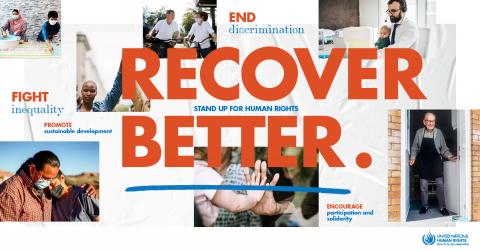
December 10th is Human Rights Day and a time to reflect on how human rights and advocacy go hand in hand. We heard a lot about human rights breaches in the summer of the pandemic when care homes featured in the news for allegedly keeping residents in their rooms or placing DNACPR orders to not resuscitate if in cardiac arrest as a blanket decision for all residents.
Whenever I train or present on the topic of advocacy or if I give an ‘elevator pitch’ on what I do, I distil the complex skill of advocacy down to three things: Voice. Services. Rights.
Most people are familiar with advocacy as a way to give someone a voice when they are struggling to be heard. Most people understand that advocacy can help people access the services they need. But the rights-based approach seems to be lesser known to people outside the sector. Advocacy has evolved over the last few decades to become a respected profession in the health and social care sector. ‘Independent Advocates’ are trained to use the law as a tool to effect change and influence decisions for people.
Advocates are trained in legal frameworks that vulnerable people are most likely to be affected by. The Mental Capacity Act protects and empowers people who have conditions that affect how they think and make decisions. The Mental Health Act protects the public and gives powers to hospitals to detain people who are a danger to themselves or others. The Care Act ensures people have care services and safeguards those who are unable to support themselves. Advocates become trained specialists to uphold people’s rights under these laws.
The piece of legislation that underpins all advocacy is the Human Rights Act (HRA) and advocates use this every day to challenge situations that are unjust. HRA includes the basic rights and freedoms that belong to all people and whilst they cannot be taken away, they can be restricted at times and this is when advocacy comes in. HRA demonstrates how our government should treat people and any other legislation passed needs to be compliant with it. If any legislation falls short of complying with the HRA the law can be challenged and changed so it forms a bottom line with which all other legislation must comply. An example of bringing legislation up to scratch is the 2007 review of the Mental Health Act which was updated to include reasonable arrangements to support the patient and to have automatic access to advocates. The Mental Capacity Act was updated in 2009 to include new safeguards for people restricted in institutions. No longer left unheard in a care home, people now have reviews of their placements and advocates to take their case to the Court of Protection if they object to where they live.
At Connected Voice our advocates use HRA to challenge police, local authorities, NHS, care homes, courts, Government departments and many more. Human Rights are the powerful tools in an advocate’s bag and provide the way to challenge poor decision- making by authorities in the lives of some of the most vulnerable people in society. As a result of advocates negotiating at an earlier stage using the rights-based approach time can be saved and the distress of court proceedings avoided.
Here are examples some examples of ways in which advocates can use the articles of the Universal Declaration of Human Rights:
- An advocate will use the Right to liberty when hearing that an elderly woman is in a care home bedroom every day with no stimulation or community access and repeatedly asks to leave.
- An advocate will use the Right not to be subjected to inhuman or degrading treatment when the patient they visit is left in a segregation unit with food thrown in on a tray on the floor each day and has no access to the outdoors, is verbally ridiculed or physically hit by staff on a daily basis.
- An advocate will use the Right to life to challenge the GP or Care Home Managers who place an order not to resuscitate the resident if they go into cardiac arrest without considering the resident’s particular circumstances and wishes.
- An advocate will use the Right to privacy, family, home and correspondence to challenge a social worker who dismisses a person’s desire to live alone but professionally supported in the community just because they have a complex learning disability and are seen to be too high risk to leave the institution they live in.
- An advocate will use the Right not to be discriminated against when someone is sanctioned for welfare benefits because they didn’t attend a review with the Department for Work and Pensions because they have a brain injury and their memory is significantly impaired.
- An advocate will use the Right to marry and found a family to champion a learning disabled woman the chance to be supported to develop a personal relationship.
Here at Connected Voice Advocacy we welcome an awareness-raising day for the Human Rights Act to act as a reminder that we all share in and benefit from having universal rights and how important they are in fighting for social justice. Get in touch with us at Connected Voice Advocacy if you want to know more about our rights-based approaches or want to refer someone for advocacy.
Universal Declaration of Human Rights
#Standup4humanrights #HumanRightsDay
Jane Kingston